
Dedicated recurring crew shuttle between Philadelphia International and the PHL airport-hotel corridor. Owner-operated, DOT-compliant chauffeurs, 24/7 dispatch, contract-rate billing for regional, cargo, and mainline IRROPS.
Crew ground transportation lives on tight windows, IRROPS surprises, and audit-ready compliance. This is what we do.
Weather cancellations at 2 AM, sudden crew moves, deadhead reposition — dispatch answers, drivers roll. Airline crew contracts require this and we’re built for it.
Driver qualification files, drug and alcohol testing, hours-of-service compliance, background screening. COI naming your airline as additional insured provided at contract signing.
Flat monthly retainer or per-shuttle invoicing — whichever your finance team prefers. Contract rate beats one-off pricing by 25-40% for scheduled crew shuttles.
Sprinter for the standard 6-person crew module, mini-coach for multi-crew moves, motor coach for IRROPS reposition and mass moves.
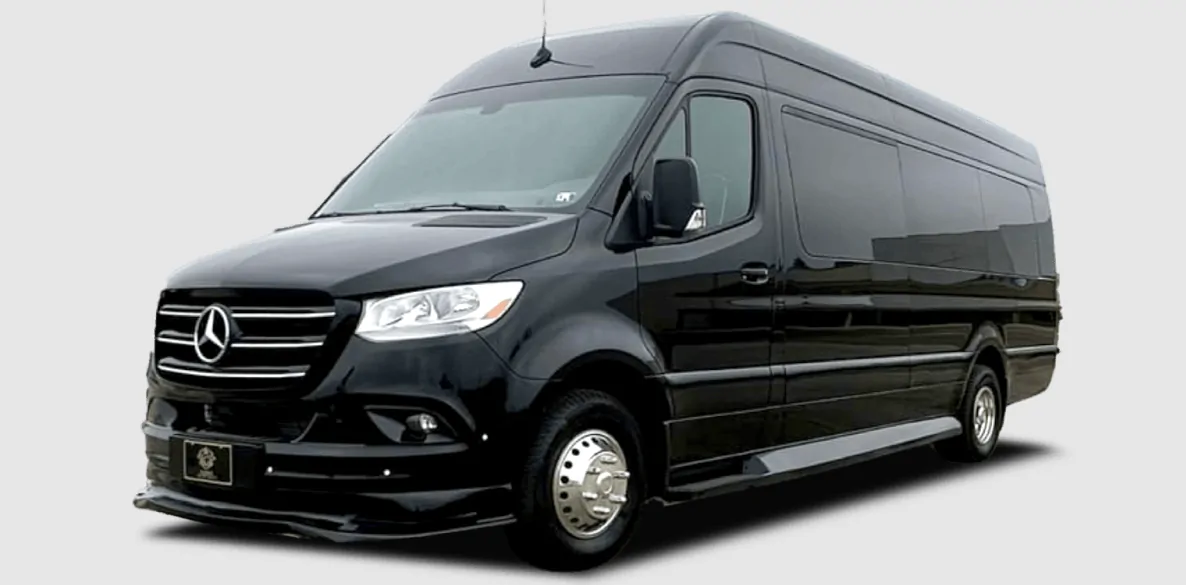
Right size for the typical airline crew module — captain, first officer, and 3-4 flight attendants with roll-aboards. Overhead luggage racks handle crew bags; forward-facing seating; quiet cabin so crew can decompress on the ride to the hotel after a late arrival.
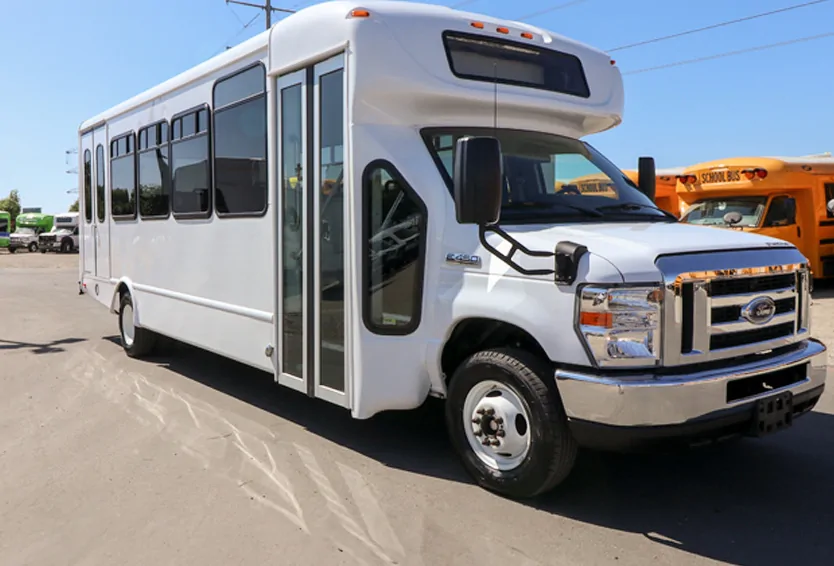
For airlines running multiple crews on the same shuttle — cargo operations, IRROPS deadheads, or mainline carrier hotel-block moves where 20+ crew are shuttled together. Under-luggage bays fit crew bags without stacking on seats.
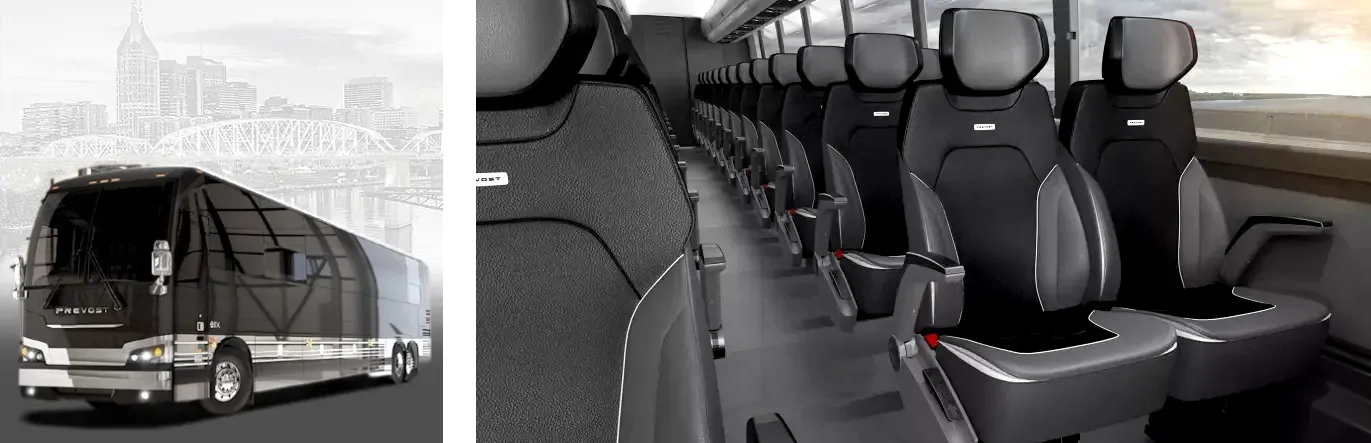
For mass crew moves during weather events, hub-close scenarios, or major schedule reworks where a full trainee class, a large crew base transfer, or a widespread hotel reassignment needs to happen in one shot.
Airline crew ground transportation is a very specific job. It has to run on time at 04:30 in the dark, it has to answer the phone at 2 AM when weather scrambles the schedule, and the driver has to look and behave like someone who understands that the crew in the back needs to be at their aircraft on time or the flight doesn’t leave.
Philly Charters (a subsidiary of Stretch LLC) provides recurring airline crew shuttle service at Philadelphia International Airport for regional carriers, cargo operators, mainline IRROPS, and third-party crew-scheduling contracts. Owner-operator dispatch answers 24/7. Drivers are DOT-compliant, background-checked, drug- and alcohol-tested, and trained on the professional expectations of airline crew accounts.
We run this as a contract product — a dedicated vehicle, a small named pool of chauffeurs, and a defined pickup schedule — not as a batch of ad-hoc rides.
The PHL crew hotel corridor concentrates in the Essington / airport-area properties within 1-2 miles of the terminals. We regularly serve:
If your airline uses a hotel we haven’t routed to yet, we’ll test-drive the route before the contract goes live so we quote a realistic pickup window (traffic on Bartram Avenue and Essington varies more than the map suggests).
An airline crew contract at PHL has a recognizable shape. Two dense windows sit on either end of the day:
Pre-dawn morning bank (04:00-05:30 hotel-to-airport). Crews for the first departure bank need to be at the aircraft roughly 60-90 minutes before pushback. That means hotel pickups start at 04:00 for early-morning banks and roll through 05:30 for later 07:00-08:00 departures. Airport hotels typically run their own 20-minute-headway shuttle from 04:00 onward, which sets the norm for what crews expect.
Late-night arrival bank (22:00-01:30 airport-to-hotel). Last inbound flights of the day land through midnight or later, and crews need transport to the crash-pad hotel. A crew that just closed out a 5-leg day at 1 AM doesn’t want to wait 40 minutes for a rideshare.
Mid-day repositioning. Crew swaps, base transfers, training-facility moves, and IRROPS deadheads happen throughout the day. Contract pricing usually covers a fixed number of mid-day moves per month with overage billing for anything beyond.
Airline crew transportation vendors have to meet a stack of regulatory and airline-audit requirements that a standard livery operation may not carry. We keep the following current:
Airline procurement teams routinely audit vendors and we’re structured to survive that audit rather than scramble when it arrives.
The airlines and operators that most commonly outsource crew ground transportation at PHL fall into a few buckets:
Chauffeur dress code. Airline crew accounts see a business-appropriate uniform (dark slacks, collared shirt, jacket in cold weather). No music, no personal calls, minimal conversation unless the crew initiates it. Crews that just finished a long day want a quiet ride to the hotel — that’s what they get.
Vehicle standards. Vehicles are detailed between shifts, water bottles restocked, USB power available. On late-night pickups the cabin is warm in winter and cool in summer before crew boards; we don’t wait for them to complain about temperature.
On-time performance. Standard target for crew pickups is at the pickup location 5 minutes before scheduled time. Late arrivals are treated as a serious incident and root-caused with the airline’s scheduler.
Communication. Drivers carry company phones. Airline crew schedulers get a direct line to dispatch for real-time changes. We don’t hide behind an app.
Airline crew contracts are quoted individually because pickup volume, hotel geography, IRROPS clause, and required vehicle class vary widely. General framework:
Typical contract rates run 25-40% below equivalent one-off pricing because the vehicle and driver capacity is already committed. Every quote is itemized so procurement sees exactly what they’re paying for.
For non-recurring group airport transfers (single conference arrival, wedding-party fly-in, sports team charter) see the parent hub: Group Airport Transfers from Philadelphia (PHL, EWR, LGA, BWI) or the dedicated PHL Airport Group Transfer page.
Real answers to what corporate travel managers, meeting planners, and crew schedulers ask most.
Yes. For recurring crew shuttle contracts we assign a specific vehicle and a small pool of vetted chauffeurs to the account so your crews see familiar drivers on the 04:30 airport run every morning. Dedicated equipment also lets us hold pickup windows tighter than an on-demand model.
That’s the normal shape of a crew contract. Airline crews at PHL sit on both ends of the day — 04:00-05:30 hotel-to-airport for morning banks, and 22:00-01:30 airport-to-hotel for the last inbounds. We staff both windows and structure the contract so the driver has legal hours-of-service between shifts.
Our chauffeurs meet DOT / FMCSA commercial-driver requirements for the vehicle class we operate, including drug and alcohol testing, driver qualification files, hours-of-service logs where applicable, and background screening. Insurance meets or exceeds standard for-hire livery limits, and we carry excess coverage for airline crew accounts on request. Certificates of insurance naming the airline as additional insured are provided at contract signing.
The full PHL hotel corridor — Philadelphia Airport Marriott (Terminal B), Sonesta Select Philadelphia Airport, Aloft Philadelphia Airport, Hampton Inn by Hilton Philadelphia Airport, Element Philadelphia Downtown, and the surrounding Essington / airport-area properties. If your airline uses a hotel we haven’t routed to yet, we’ll test-drive it before the contract goes live so pickup times are realistic.
Yes. IRROPS is exactly why 24/7 dispatch exists. When a widespread cancellation event hits PHL, mainline and regional carriers scramble crew to unexpected hotels — sometimes a full deadhead crew needs to be moved at 2 AM. We keep on-call capacity for weather events and take the airline’s crew scheduler as a direct contact for IRROPS calls.
Both models. Some airline crew contracts prefer per-trip invoicing with a detailed manifest (crew name masked or coded, flight number, pickup / drop times). Others prefer flat monthly retainer against an agreed-upon schedule with overage billing for IRROPS. We adapt to whichever model your finance team prefers.
Yes. Drivers carry company phones and can be patched to the airline’s crew scheduler when needed — for example, when an inbound flight has moved gates and dispatch needs to reroute the pickup. Chauffeurs are trained on airline-industry communication norms and understand crew rest rules affect their pickup timing.
Regional, cargo, mainline IRROPS, training moves — we build the schedule around your operation. 24/7 dispatch, DOT-compliant chauffeurs, contract-rate pricing, COI at signing.
Get an Instant Quote Call (267) 223-4647